What Is Industrial Automation? A Complete Guide for Manufacturers
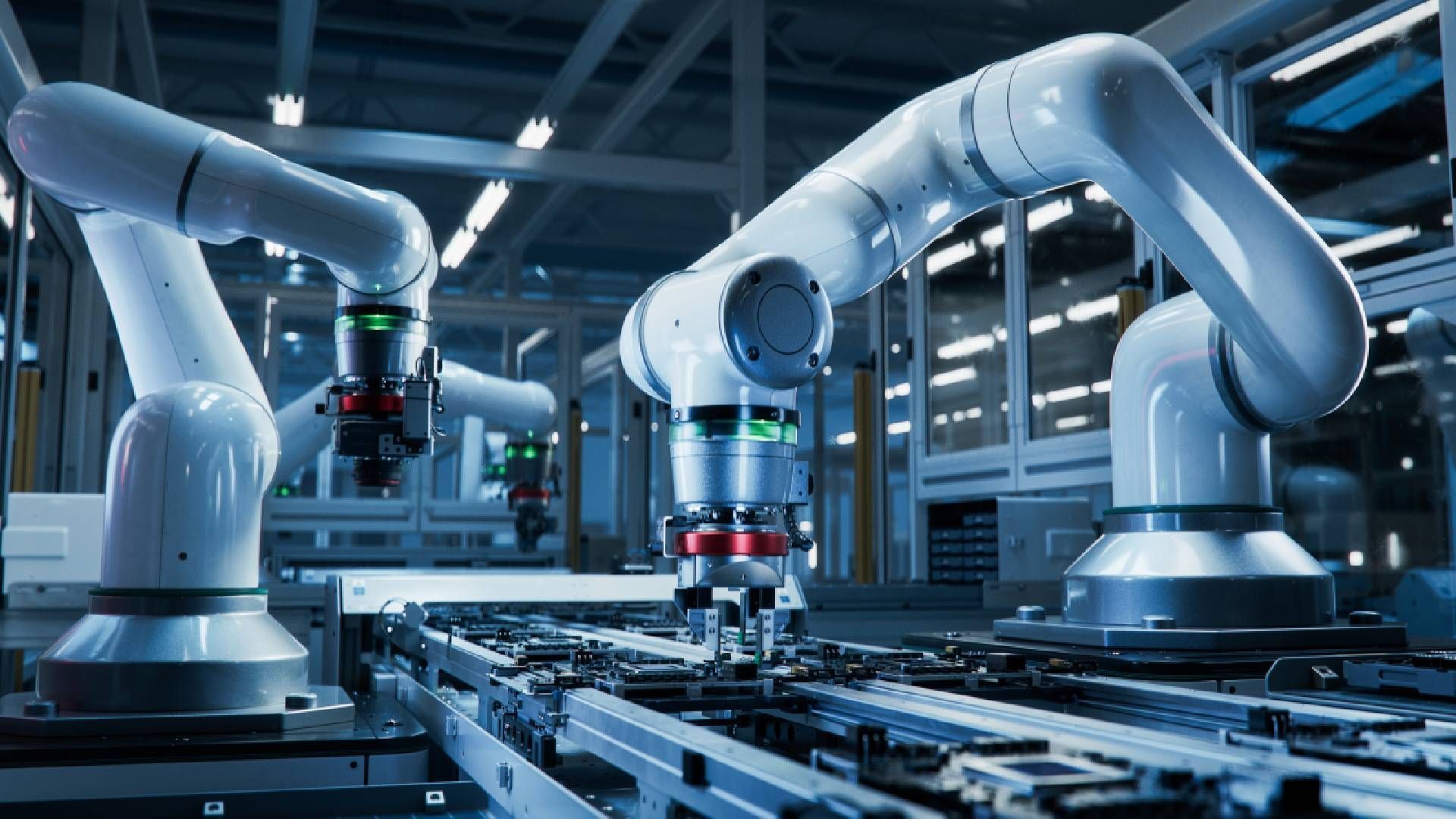
Industrial automation has become essential for manufacturers that want to improve production speed, reduce labor costs, and minimize downtime. Whether a facility is installing robotic automation, upgrading electrical systems, or improving material flow with conveyor systems, automation now plays a major role in productivity and long-term growth.
Foremost Automation works with manufacturing, warehousing, packaging, and logistics operations to design and implement custom automation solutions. Below is a breakdown of what industrial automation is, how it works, and why so many companies are investing in automated technology.
What Industrial Automation Means
Industrial automation refers to the use of machines, control systems, robotics, and conveyors to perform tasks that traditionally required manual labor. These systems are built to increase efficiency, improve accuracy, and streamline repetitive tasks.
Automation commonly includes:
- Conveyor systems
- Robotic arms and pick-and-place systems
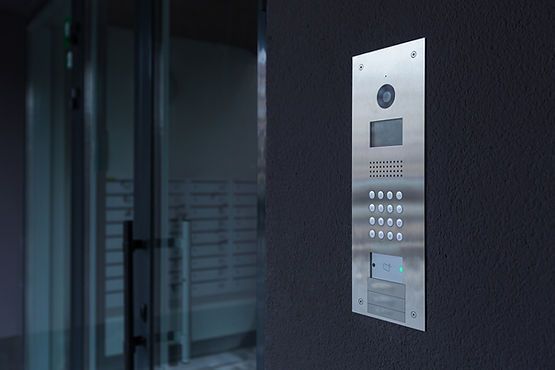
- Control panels and electrical systems
- Automated material handling
- Sensors, PLCs, and control software
By letting machinery handle repetitive or labor-intensive tasks, businesses can reassign their workforce to higher-value roles.
Benefits of Industrial Automation
- Increased Productivity
- Automated systems run faster, more consistently, and with fewer interruptions.
- Reduced Labor Costs
- Automation reduces the need for excessive manual labor while increasing output.
- Improved Accuracy & Quality
- Robotic systems and automated controls reduce human error and improve repeatability.
- Enhanced Safety
- Automation removes workers from hazardous or physically demanding environments.
- Better Scalability
- Automated processes are easier to expand as production needs grow.
Where Automation Is Used
Common industries include:
- Manufacturing plants
- Packaging and fulfillment operations
- Warehousing
- Food and beverage production
- Logistics and distribution centers
Automation can be customized to any facility based on its workflow and goals.
Types of Automation Systems
- Robotic Automation
- Robotic arms assist with assembling, packaging, palletizing, welding, and more.
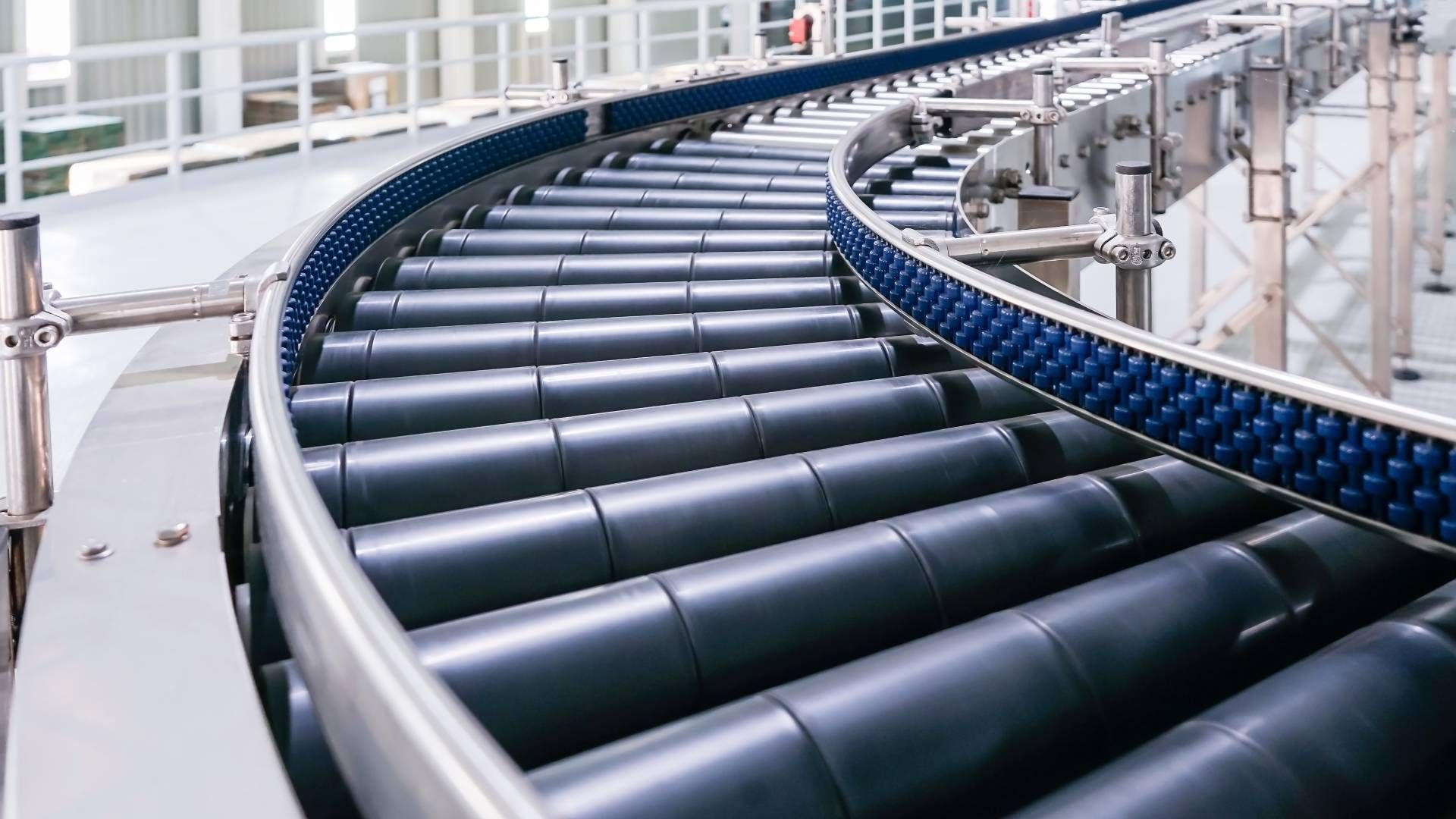
- Conveyor Systems
- Conveyors move products efficiently throughout a facility and streamline production flow.
- Electrical & Control Systems
- Custom control panels, PLC programming, and electrical upgrades support automated equipment.
Is Automation Right for Your Facility?
If your production line struggles with downtime, labor shortages, or inconsistent output, automation can provide an immediate return on investment.
Foremost Automation designs and installs automation systems tailored to each facility’s needs.