

One System Runs the Whole House
Home automation in Tarzana for homes where lighting, climate, security and entertainment need to work as a single integrated system
Foremost Automation installs home automation systems for residences in Tarzana, handling every part of the project from the initial walkthrough through final programming. Homeowners who need independent devices—thermostats, lighting, locks, audio, cameras—consolidated into one controllable system are the core client. What sets this engagement apart is that a single company manages design, wiring, hardware and programming rather than handing portions off to separate trades.
The work begins with an in-home walkthrough to map each room, device and daily routine before any hardware is selected. Many homes in the Valley were built or significantly expanded before smart-home wiring was standard, which means the integration process requires careful routing through finished walls, attic chases and existing conduit rather than open framing. Foremost Automation accounts for that constraint during the planning phase, so the installed system works around how the house is actually built.
To discuss what a whole-home system would cover in your specific property, schedule a walkthrough with Foremost Automation at your home.
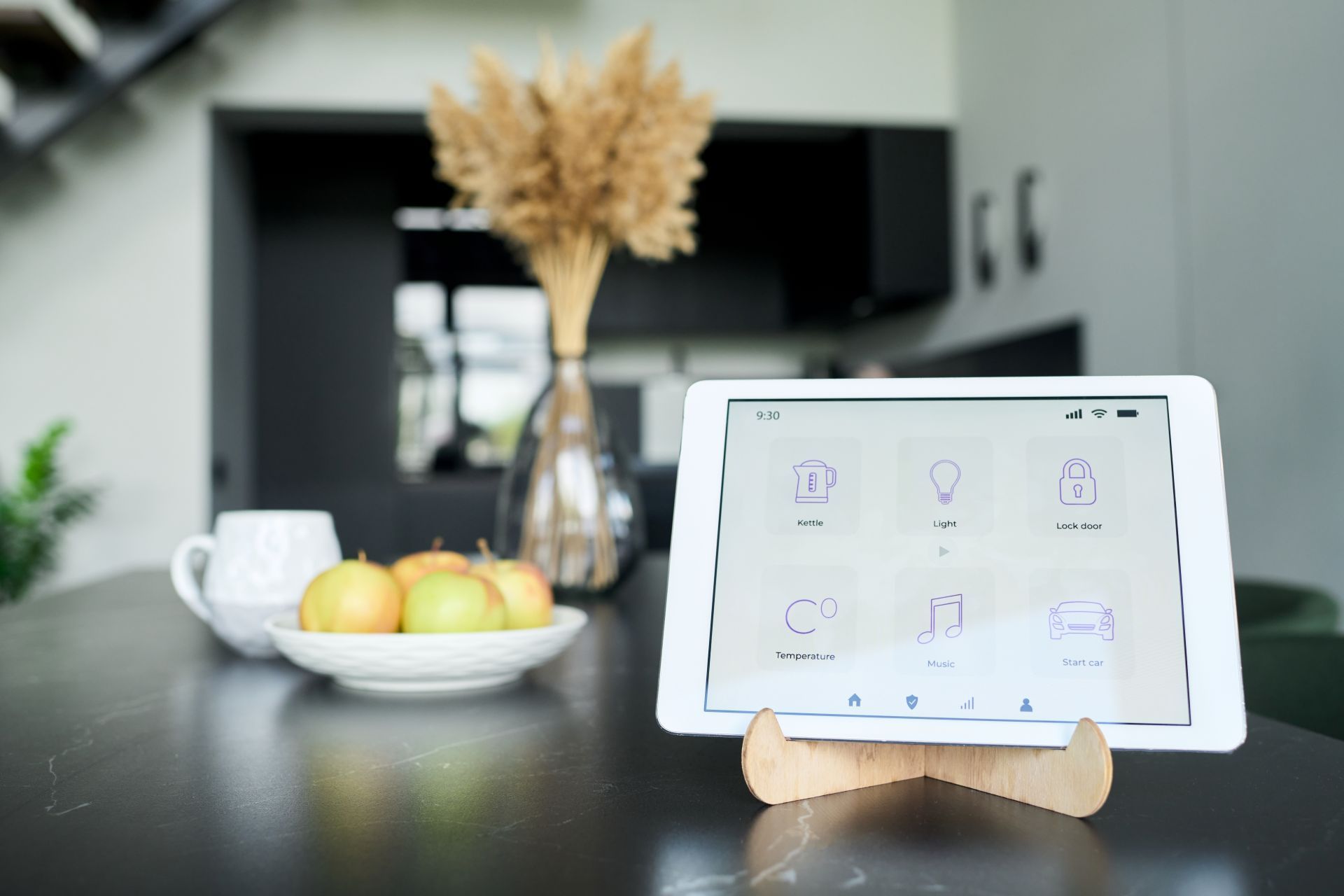
What Proper Home Automation Requires
After the walkthrough, wiring and hardware installation follow the mapped plan for each room and routine. Programming is the step where the system is shaped around how the household actually functions—when lights dim, how the thermostat responds to occupancy, which scenes activate at specific times or on command. That programming phase is what separates a working integration from a collection of individually smart devices that do not coordinate.
Once the system is live, the difference is immediately visible in operation: a single command or scheduled routine adjusts lighting across multiple zones, arms the security system and sets the thermostat without separate inputs. Devices that previously required individual apps or remotes respond through one interface. Routines that used to require manual steps each evening or morning run automatically.
The scope of a system depends on how many rooms, device categories and routines are included. Lighting control, climate, audio, security cameras, door locks and motorized shades can all be integrated into one platform, or a project can start with a single subsystem and expand. The approach is determined during the walkthrough based on the home's wiring, the devices already in place and the routines the household uses.
Answers About How the Work Is Done
These questions address how home automation installation actually works, from the planning stage through what you will notice once the system is running.
What happens during the initial home walkthrough?
The walkthrough is used to identify every room and device to be included, map the wiring paths available through existing construction and document the daily routines that the system will be programmed around—this step drives all hardware selection and installation sequencing that follows.
How is programming customized to a specific household?
Programming is built around the routines captured during the walkthrough, so scenes, schedules and automation rules reflect how the household uses the house rather than a default configuration—lighting scenes, thermostat behavior and security triggers are all set to match actual patterns.
Why does retrofitting into an existing home affect how the system is installed?
In older or fully finished Tarzana homes, wiring must be routed through walls, ceilings and attic spaces without opening finishes, which determines which cable paths are viable and may affect which devices can be hardwired versus connected wirelessly.
What should you look for to evaluate whether a system is properly integrated?
A properly integrated system responds to a single command or schedule across multiple device categories simultaneously—if adjusting a scene requires separate inputs on separate apps, the integration step was not completed.
How does the system behave when individual devices are added or routines change?
A well-configured system can be reprogrammed to add devices or adjust routines without rewiring; changes to schedules, scenes and triggers are made through the software layer rather than the hardware.
Foremost Automation also installs home automation in Burbank, Glendale, Pasadena, Santa Monica and Thousand Oaks. To start with a specific assessment of your home's current wiring and which systems are realistic to integrate, contact Foremost Automation directly at (818) 660-5580 to arrange an in-home evaluation.