

Lighting That Responds to How You Use Each Room
Smart Lighting in Tarzana for upscale homes with multiple living zones where individual circuit control is needed across the whole house
Upscale single-family homes with open floor plans and distinct living zones—the kind common in Tarzana and in neighborhoods like Brentwood—typically have a high circuit count spread across rooms that each serve more than one function. A dining space that doubles as a work area, a great room used for both casual evenings and entertaining, a primary suite with lighting needs that differ between morning and night: these are the situations where individual switch control becomes impractical and scene-based management becomes the logical solution. Foremost Automation installs smart lighting for residential and commercial clients in Tarzana, replacing standard switches with programmable dimmers and controls that respond to scenes set for arrival, evening, and entertaining rather than requiring every fixture to be adjusted manually.
The crew reviews existing switches and circuits first, then selects smart dimmers, switches, or wireless controls matched to each fixture group. Compatibility between the dimmer and the fixture type matters at this stage—LED fixtures in particular have specific dimmer requirements, and a mismatch produces flicker or a limited dimming range regardless of the smart platform used. Switches are replaced circuit by circuit, with scenes for each room programmed and tested before the crew moves to the next space.
To review your existing switch layout and identify which rooms benefit most from scene control, set up a walkthrough with Foremost Automation.
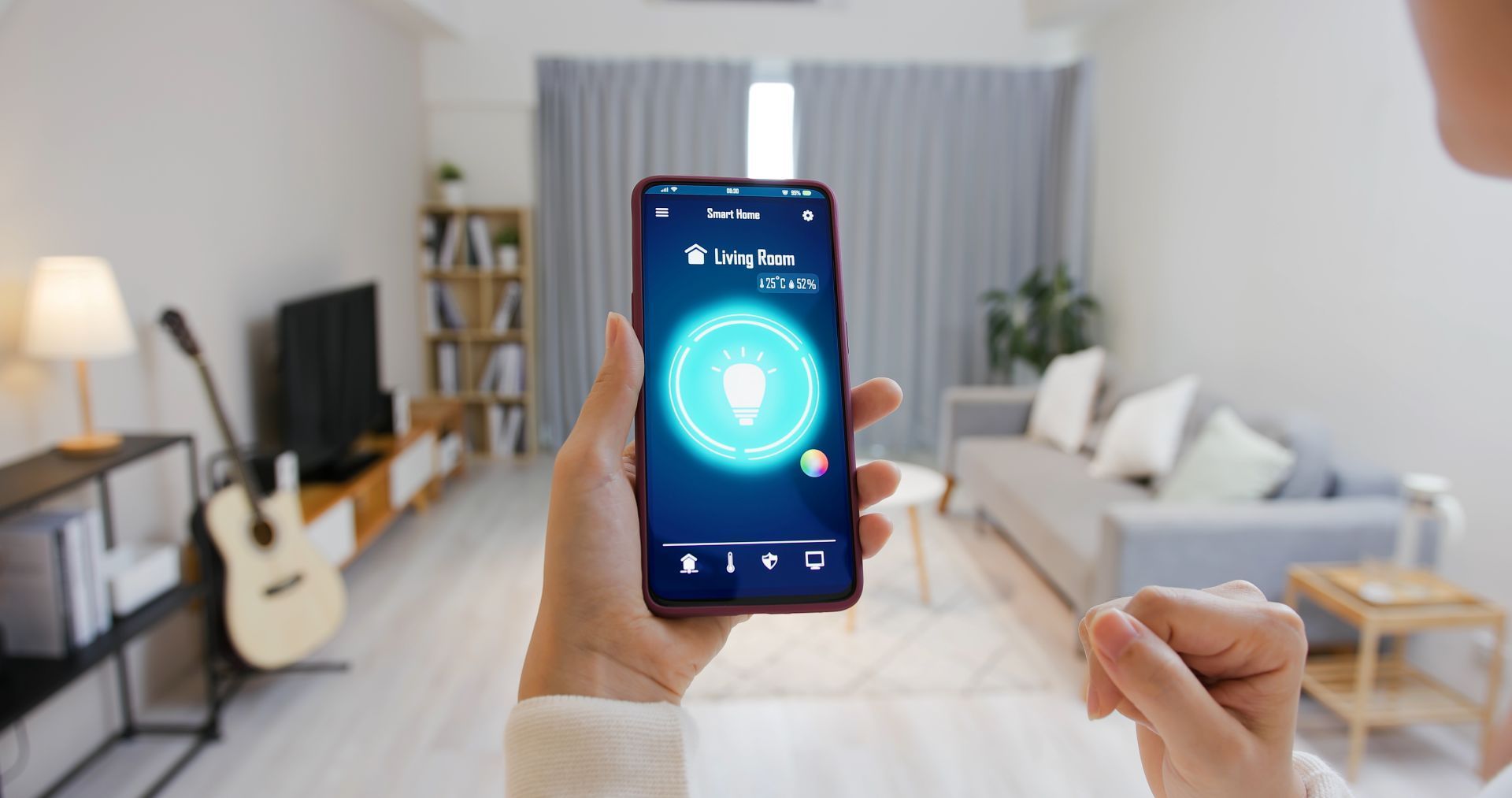
The Difference Between Switched Lights and Programmed Scenes
A standard dimmer controls one circuit at whatever level you set it manually. A smart dimmer connected to a scene-based system controls that same circuit as part of a coordinated group, so when you activate an evening scene, every fixture in the room moves to a pre-set level simultaneously rather than requiring individual adjustment. The programming happens in the controller, which stores the scene values and executes them on command from a keypad, app, or automation trigger. Getting that programming right—particularly for rooms with multiple circuit types like ambient, task, and accent—is where scene control produces a perceptible difference from a room full of individually operated dimmers.
After installation, the observable change is that walking into a room and activating a scene produces the correct light level for that activity without touching multiple switches. Lights that previously stayed at full brightness because adjusting them was inconvenient now default to levels appropriate for the time of day or the use of the space. Foremost Automation programs and tests those scenes room by room before the installation is considered complete.
Because lighting, shades, and automation are designed together by one company, a scene can extend beyond the light fixtures to include shade position and other connected systems in the same room. That coordination means the scene handles the whole environment rather than a single element of it.
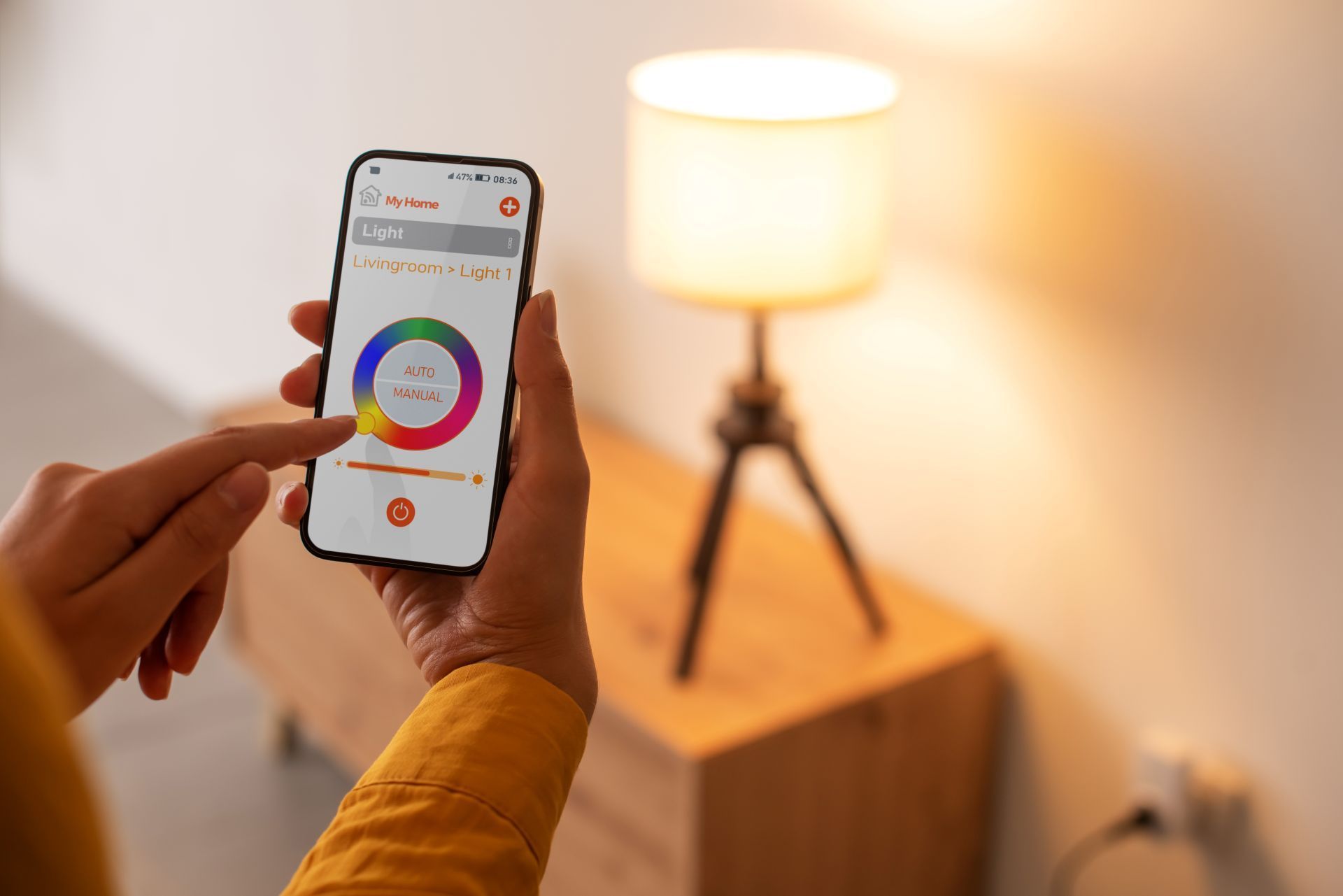
Answers About How Smart Lighting Is Installed
Smart lighting installations involve decisions about dimmer compatibility, circuit grouping, and scene programming that affect both how the system functions and how reliably it operates over time. These questions address the practical details of how the work is done.
How does the crew determine which dimmer is compatible with existing fixtures?
Each fixture type—incandescent, halogen, and the various LED driver configurations—has a compatible load range and dimmer protocol, and matching those correctly requires identifying the fixture driver before specifying the dimmer, not after it is installed.
What happens during scene programming and how are scenes tested?
Each scene is programmed by setting every circuit in the room to the desired level and saving that state, then the scene is activated from each control point—keypad, app, and any automation trigger—to confirm the levels are consistent and the response time is acceptable before moving to the next room.
Why does circuit grouping matter when planning a smart lighting installation?
Fixtures that serve different functions in the same room often need to operate at independent levels within a scene, which means each functional group needs its own circuit or channel rather than sharing a single dimmer output.
How does smart lighting installation work in an older Tarzana home with a legacy switch wiring configuration?
Older homes sometimes use switch loops rather than neutral-wire configurations at the switch box, which limits which smart dimmer models are compatible, so the crew identifies the wiring configuration at each switch location before selecting the hardware.
What does a correctly installed smart lighting system look like from a daily use standpoint?
Scenes activate at the expected level with no flicker, dimmers respond smoothly across their full range without dropping out at the low end, and the app or keypad reflects the current state of every circuit accurately without a delay or a mismatch between the interface and the fixture.
Foremost Automation also installs smart lighting in Burbank, Glendale, Pasadena, Santa Monica, and Thousand Oaks. To review your current switch layout and get a plan for scene-based control across your home, call Foremost Automation at (818) 660-5580.