

Window Coverings That Move With Your Home
Motorized shades in Tarzana for large windows and glass walls that require precise light control throughout the day
Estates and newer custom homes built with expansive glazing present a specific challenge: manual shades on oversized or hard-to-reach windows become impractical to operate consistently, and inconsistent operation means rooms spend most of the day in the wrong light condition. Foremost Automation installs motorized shades in Tarzana as part of a broader home automation and smart lighting system, treating window coverings as one layer of the home's behavior rather than a separate accessory. The result is that shades open, close, and adjust alongside lighting scenes without requiring a separate app, remote, or manual pull.
Each installation begins with the crew measuring every window and confirming mounting clearances, then determining whether motors will run on line voltage or battery depending on what each window location can support. The chosen fabric is installed with the motor and brackets, and each shade is then added directly to the home's lighting and automation scenes. A shade in a west-facing living room can be programmed to drop at the same moment the lighting scene shifts to afternoon mode, without any input from the homeowner.
Arrange an on-site consultation to review your window layout and identify which openings are best suited to motorized operation.
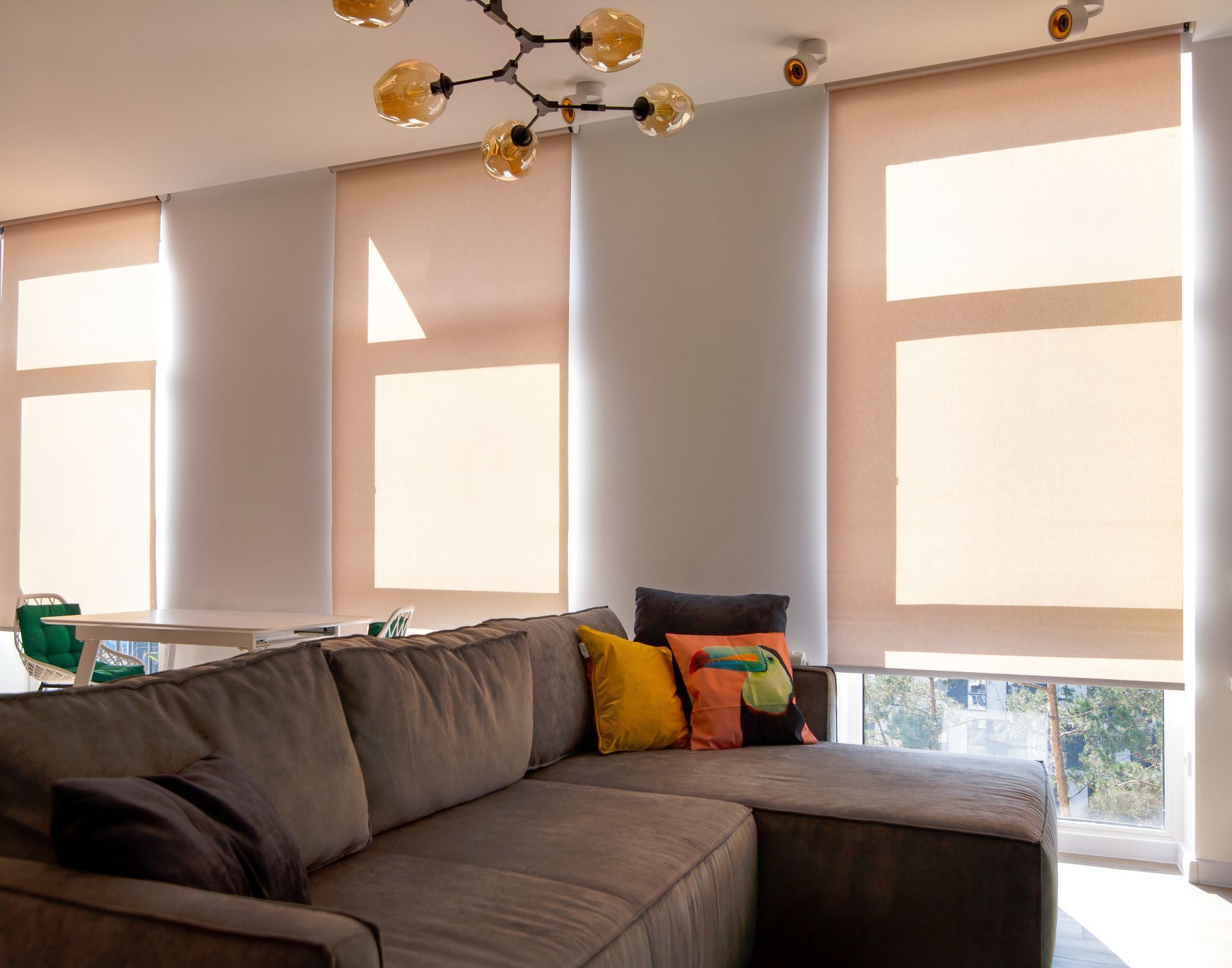
How Motorized Shades Fit Into a Unified System
The programming work is what separates a motorized shade from a smart shade. Foremost Automation handles both the physical installation and the scene integration using the same team that sets up lighting and automation, which means shades are assigned to the same controller, the same schedules, and the same voice or app commands as the rest of the home. There is no handoff between an AV installer and a shade-only contractor, and no gap in how the devices communicate.
Once programming is complete, you will notice the shades responding to conditions you have set rather than conditions you remember to manage. A morning scene can raise shades in the bedroom while gradually increasing lighting levels. An away mode can close all shades on a schedule regardless of where you are. What changes is not just convenience—it is that the home manages its own light exposure in a way that a manually operated system cannot replicate consistently over time.
Fabric selection affects how much the system can do: sheer fabrics reduce glare while preserving views, while blackout materials give full control over light levels in media rooms or bedrooms. Motorized systems support fabrics that would be impractical to operate manually on very wide or very tall windows, which is a common constraint in custom builds throughout this part of the Valley.
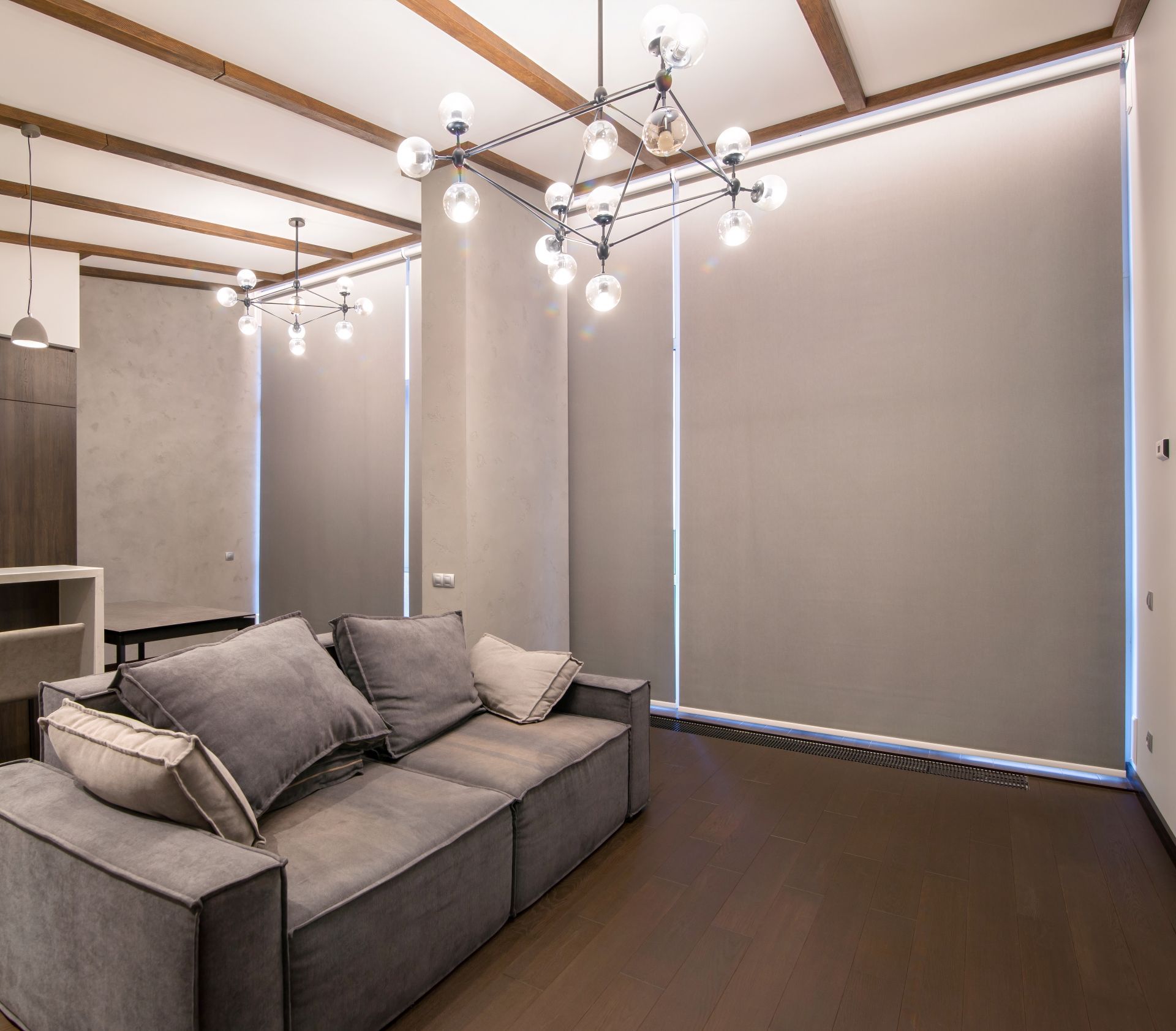
Common Questions About Motorized Shade Installation
Custom homes with large or unusually shaped windows often raise practical questions about how motorized systems are measured, mounted, and integrated. The following answers address the most common points about how the work is done.
What determines whether a shade uses battery or hardwired power?
The decision comes down to whether an accessible power source is available at or near the window head, and whether running wire to that location is practical given the wall construction. Battery motors are a clean solution for retrofit installations where opening walls is not warranted, while hardwired motors are standard in new construction or when wire can be routed through existing conduit.
How are motorized shades added to existing lighting scenes?
Each shade motor is enrolled in the home automation controller and assigned to one or more scenes by name. When a scene is triggered—whether by schedule, voice command, or a keypad button—the shade responds alongside every other device assigned to that scene, with no separate step required.
What happens during the measurement process before installation?
The crew measures each window opening for width and height, checks the depth of the window recess or fascia to confirm bracket clearance, and notes any obstructions like handles, locks, or trim that affect where the motor can be positioned.
Why do wider windows sometimes require a different motor specification?
Fabric width and total shade weight increase with window size, and motors are rated by the torque they can sustain. Undersized motors on wide shades wear out faster and can drift out of calibration, so the motor selection is matched to the specific fabric and opening dimensions rather than treated as a uniform component.
How does motorized shade programming work for homes in Tarzana with multiple exposure directions?
Each shade is programmed individually with its own position limits and then grouped into scenes based on how that window's exposure affects the room. A north-facing window and a south-facing window in the same room may belong to different scene groups because the light behavior at each is different throughout the day.
Foremost Automation also installs motorized shades in Burbank, Glendale, Pasadena, Santa Monica, and Thousand Oaks. To see how shades would be integrated with your current or planned lighting setup, request a walkthrough with the Foremost Automation team to map your windows and automation goals before any work begins.