

Music in Every Room Without Visible Equipment
Whole Home Audio in Tarzana for established homes where speaker wiring needs to be planned room by room during renovation
What a finished whole home audio installation produces is a house where music follows you from room to room, volume adjusts per zone, and no receiver stack or speaker wire is visible anywhere. Foremost Automation delivers that result in Tarzana and across the Valley and Westside by designing the audio system as part of the same overall technology plan as lighting, automation, and home theater rather than treating it as a separate add-on. Homeowners who want music in every room without equipment cluttering living spaces, or who are already opening walls during a renovation, are the right candidates for this type of install.
Speaker placement is planned with the homeowner before wiring begins, with each zone mapped against the room's dimensions and ceiling structure to determine whether in-ceiling or in-wall speakers are the right fit. Speaker wire is run to each zone, terminating at a central amplifier that drives all zones independently. In established homes in areas like Sherman Oaks or Studio City, where a renovation is already underway, that open-wall access is the natural moment to route wiring cleanly rather than fishing it through finished drywall after the fact. Zones are programmed and the control interface is configured and tested before handover.
Request a room-by-room planning session to determine speaker placement and zone configuration for your home.
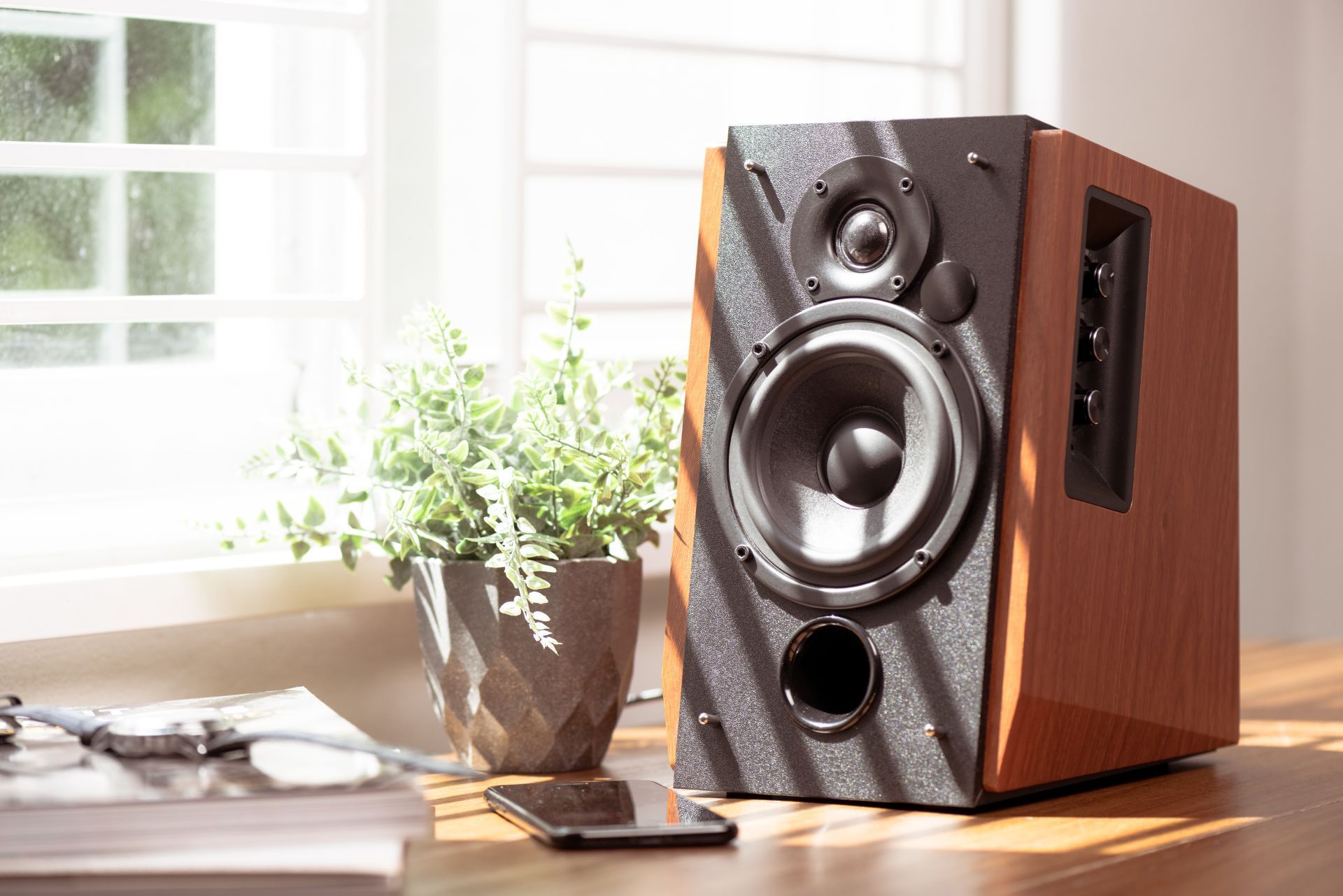
What Whole Home Audio Actually Accomplishes
A multi-zone audio system separates playback control so that different rooms can play different sources at independent volumes, or the entire house can be grouped to a single source for entertaining. The central amplifier is the component that makes this possible—it handles power distribution to each speaker pair and receives zone commands from the control interface, whether that is a wall keypad, a touchscreen, or a mobile app. Matching the amplifier's zone count and output power to the speaker layout is a specification decision made during planning, not something adjusted after the system is installed.
Once the system is commissioned, you notice that sound is consistent throughout the room rather than concentrated near a freestanding speaker, volume control per zone works from wherever you are in the house, and the equipment itself is not visible. The kitchen, the covered patio, the primary bedroom, and the main living area each behave as independent listening zones without any source component being visible in those rooms.
Foremost Automation installs whole home audio alongside home theater, lighting, and automation work, so audio zones are coordinated with the scenes and control logic that manage the rest of the house. A scene set for evening entertaining, for example, can dim the lights, lower the shades, and queue a specific audio source across selected zones from a single command.
Questions Before Starting Your Project
Whole home audio installations involve planning decisions that directly affect sound quality, installation complexity, and how the system is controlled. These answers address the process at each stage of the work.
How is speaker placement decided before wiring begins?
The crew evaluates ceiling joist spacing, room dimensions, and how the speaker's coverage pattern will distribute sound at listening height, then marks positions that avoid obstructions in the ceiling cavity and maintain symmetry in the room.
What determines how many zones the system needs?What determines how many zones the system needs?
A zone is any room or area where independent volume control is needed, so a home with a kitchen, great room, primary suite, two secondary bedrooms, and a patio requires at least five zones, with the amplifier specified to match that count plus any planned future additions.
Why does wiring need to run during a renovation rather than after walls are closed?
Speaker wire must reach from the ceiling or wall position back to the central amplifier location, and in a finished home that path goes through insulated cavities and across fire blocks that require fishing the wire rather than running it in open stud bays, which adds labor and limits routing options.
How does the control interface work after the system is set up?
You control zones through a wall keypad in each room, a mobile app, or voice commands if the system is integrated with the home's automation platform, and each interface adjusts volume, selects source, or groups zones without requiring access to the equipment rack.
What should you check in finished speaker placement to confirm correct installation in a Tarzana home?
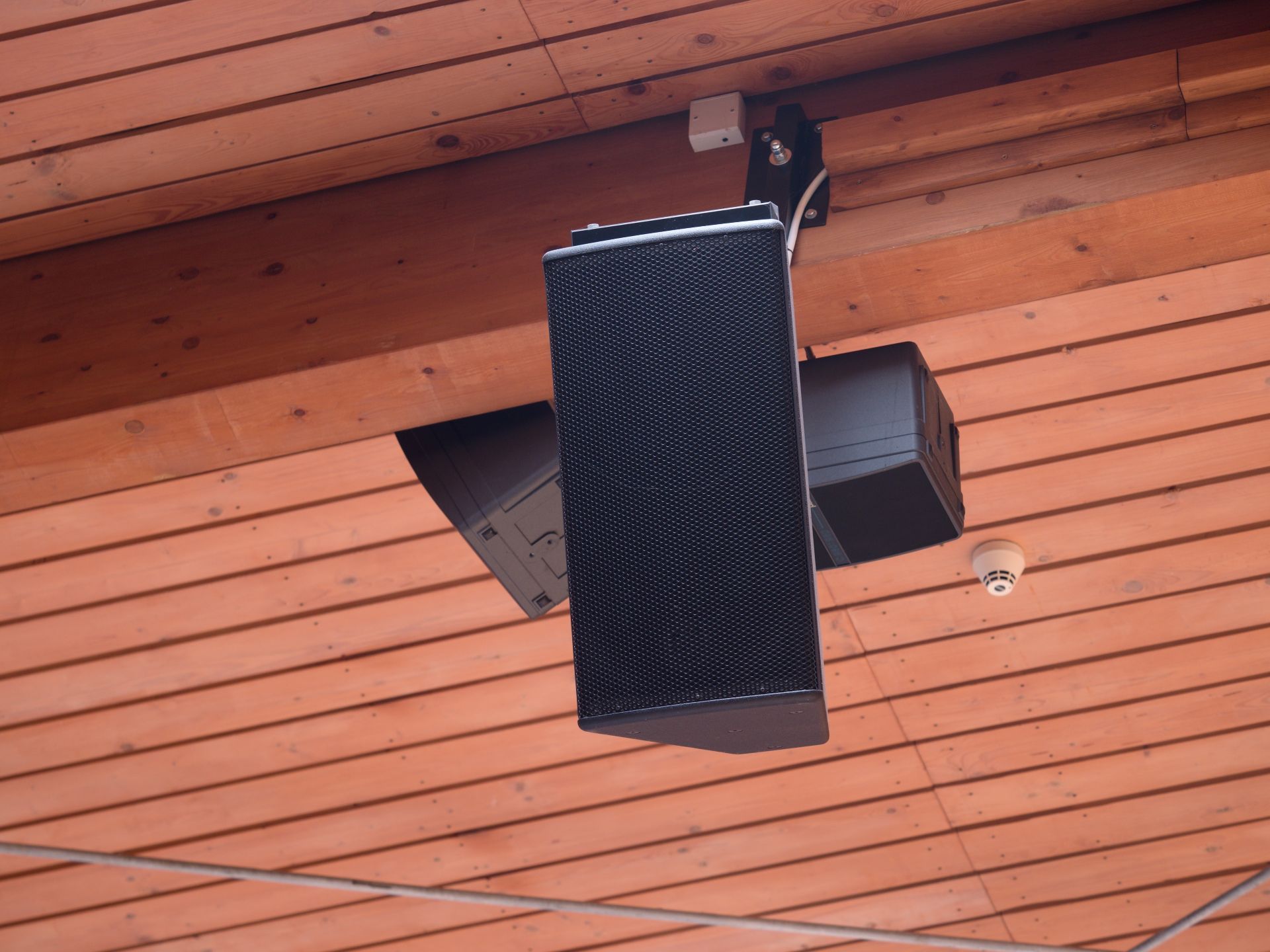
Speakers should sit flush with the ceiling or wall surface with no visible gaps at the trim ring, grilles should be centered in the room relative to the listening area, and playback should produce even sound level across the room without a pronounced hot spot directly below the driver.
Foremost Automation also installs whole home audio in Burbank, Glendale, Pasadena, Santa Monica, and Thousand Oaks. To begin planning speaker zones and control configuration for your home, call Foremost Automation at (818) 660-5580.